Termite Monitoring vs One-Time Treatment: Understanding Long-Term Protection
Protecting your home or business from termites is a priority for any property owner, especially in regions like Louisiana where the warm, humid climate creates prime conditions for termite activity year-round. When it comes to combating termites, you generally face two options: termite monitoring and one-time treatment. Understanding how these strategies work, their advantages, and what makes them suitable for the unique environment in the Shreveport area will help you make the best decision for your property's long-term security.
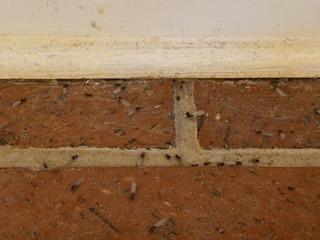
Termite Monitoring: Proactive, Ongoing Protection
Termite monitoring is a long-term, proactive approach. With this method, pest control professionals install monitoring stations in the soil around your property. These unobtrusive devices regularly attract foraging termites, allowing technicians to identify activity before a full-blown infestation develops.
Key benefits of termite monitoring include:
-
Early detection of termite activity, which can prevent costly damage.
-
Ongoing evaluation that adapts to changing environmental factors important in regions like northwest Louisiana, where mild winters rarely halt termite colonies.
-
Professional monitoring ensures an immediate, targeted response when termites are detected.
Property owners can expect scheduled visits from their pest control provider, who will assess risk and replace bait as necessary. This service is particularly ideal for property owners seeking peace of mind and those with structures that are difficult to treat with traditional liquid barriers.
One-Time Termite Treatment: Immediate But Limited
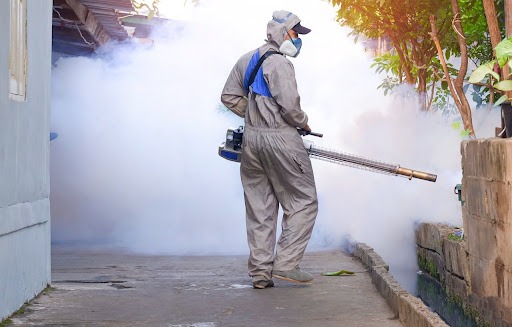
A one-time termite treatment typically involves applying a liquid termiticide around the property's foundation or localized treatment in affected areas. These treatments are designed to eliminate existing termite colonies quickly and may offer a residual barrier for a few years.
While effective in the short term, one-time treatments have notable limitations:
-
They address current infestations, but lack the consistent oversight to catch new threats.
-
Weather conditions, such as heavy rainfall in Shreveport, can sometimes reduce long-term effectiveness of chemical barriers.
-
Without regular follow-up, reinfestation is a genuine risk, especially in neighborhoods with older homes or mature landscaping.
One-time treatments may be suitable for homes with clear evidence of termite activity but should be viewed as part of an ongoing pest management strategy rather than a stand-alone solution.
Warning Signs and Local Considerations
Whether you choose monitoring or a one-time treatment, it is important to recognize warning signs of termite infestation common in the Shreveport area:
-
Mud tubes along exterior walls or crawlspaces
-
Blistered or hollow-sounding wood
-
Swarms of winged termites, especially in spring and early summer
-
Frass (termite droppings) near wooden structures
With local climate conditions supporting multiple termite species, including the aggressive Formosan subterranean termites, homeowners must remain vigilant throughout the year. Our team at Redd Pest Control of Shreveport, Inc has seen that structures with moisture issues or those surrounded by abundant wood mulch or dense foliage face higher risk and may benefit most from integrated monitoring and treatment plans.
Choosing the Right Solution: What to Discuss With Your Pest Professional
When planning your termite protection strategy, consider:
-
The age and construction type of your property
-
Previous termite history and vulnerability factors
-
Your long-term plans for the property
-
Your willingness to invest in ongoing protection versus single-visit options
Discuss these topics with your pest control provider and ask about warranties, maintenance requirements, and how their service addresses the challenges specific to Shreveport's climate and termite populations.
Get Trusted Termite Protection in Shreveport, LA
To safeguard your property against termites, you need more than a quick fix; you need a solution that's tailored to Shreveport's unique environmental pressures. Contact Redd Pest Control of Shreveport, Inc today at (318) 687-7252 or fill out our online form to schedule a consultation. Protect your home or business for the long term with the support of local professionals who know exactly what it takes to keep Louisiana termites out season after season.
Redd Pest Control