Hidden Destruction: 7 Signs of Termite Damage Every Homeowner Should Know
Termites are elusive pests that can cause severe damage to your property before you even realize there's a problem, especially in climates like ours where warmth and humidity create ideal conditions for their activity. Learning to spot the warning signs is crucial to safeguarding your investment and the structural integrity of your home.
How Termites Damage Your Home
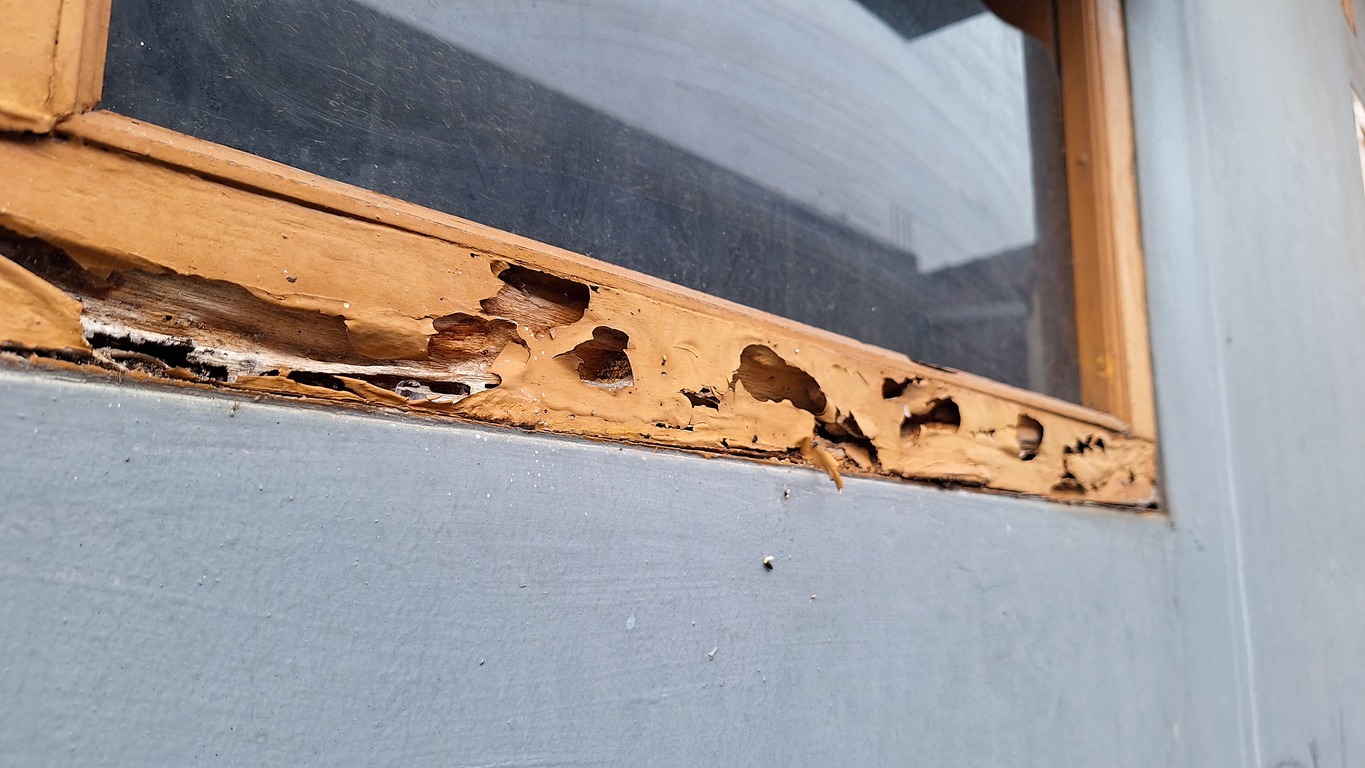
Termites feed on cellulose found in wood, drywall, and even certain insulation. Over time, as these pests hollow out beams, floors, and walls, they compromise the vital support structures of your house. The damage is often hidden inside the wood, making early detection a real challenge. The aftermath ranges from surface blisters to collapsed floors, which is why recognizing specific red flags is essential.
Where to Search: Inside and Out
While searching for termites, pay close attention to both obvious spots and unusual places:
-
Wooden window and door frames
-
Baseboards and hardwood flooring
-
Crawlspaces and basements
-
Areas around plumbing or where moisture collects
No spot is too small as termites can squeeze through cracks as thin as a credit card, making thorough checks vital.
7 Clear Signs of Termite Damage
-
Mud Tubes on Walls or Foundations: These are pencil-thin tunnels running from the soil up walls or along foundations. Termites use these to travel and protect themselves from light and air.
-
Hollow-Sounding Wood: When you tap affected wood, such as window sills or joists, it sounds hollow because termites have eaten away the inside, leaving just a thin shell.
-
Blistered or Bubbling Wood Flooring: Subterranean termites often cause wood floors to appear water-damaged or blistered. This symptom is commonly seen in homes with higher indoor humidity.
-
Frass (Termite Droppings): Drywood termites push droppings out of small holes near the site of infestation, often resembling small piles of sawdust or coffee grounds.
-
Swarmers and Discarded Wings: The presence of flying termites, called swarmers, or finding piles of discarded wings, is a sure sign active colonies are nearby.
-
Tight-Fitting Doors and Hard-to-Open Windows: As termites tunnel and feed, moisture builds up, causing wood to warp. This can make windows stick or doors become difficult to open.
-
Cracked or Peeling Paint: The presence of termites beneath surfaces may cause paint to bubble, crack, or peel away, often mistaken for simple water damage.
Old Damage vs. Active Infestations: What's the Difference?
Distinguishing between old termite damage and an active infestation requires careful observation. Old damage usually appears dry, with no fresh mud tubes or termite activity. Live termites, fresh droppings, or moist mud tubes indicate an ongoing problem that needs immediate intervention. Rotted or brittle wood, even without live insects, signals that your property was once a pest target and could be vulnerable again.
When to Call for Professional Termite Inspection
If you notice any of these signs, it's time to seek help from a licensed pest control company. DIY treatment rarely addresses the root of the issue or protects against recurring infestations. Prompt termite control offers the best results, and a qualified inspector can identify the full scope of the damage and recommend targeted solutions.
Protect Your Shreveport Home—Schedule Your Free Inspection Today
Termites are a year-round threat in Shreveport, LA, where warm weather and humidity create ideal breeding grounds for these destructive pests. If you suspect termite activity, do not wait—contact Redd Pest Control of Shreveport, Inc for a professional termite inspection. With decades of experience in general pest control, termite removal, and other essential home services, our local team is ready to help you protect your biggest asset. Call us at (318) 687-7252 or fill out our online form to schedule your free home inspection and get a customized solution tailored to your needs.

Redd Pest Control