What Attracts Ants to Homes in Spring and How to Stop Them
As temperatures rise in spring, ant activity surges throughout neighborhoods. Many homeowners in this region are familiar with the sudden appearance of ant trails on kitchen countertops or in bathroom sinks. Ants become more active after winter, foraging for food, water and shelter. Understanding why this happens and how to prevent it is essential, especially as spring weather in this area frequently brings scattered rains and mild temperatures, ideal conditions for ant colonies to flourish and expand.

Why Ants Invade Kitchens and Bathrooms in Spring
Ants are primarily driven by their need to feed and hydrate the colony as the weather warms up. Kitchens and bathrooms are two common targets because:
-
Food crumbs and spills provide easy meals for worker ants
-
Sinks, leaky faucets or damp dish towels offer sources of water
-
Sugar, protein and grease residues from food prep entice foraging ants
Once a wandering scout ant locates food or water in your home, it will leave a scent trail for the colony to follow, quickly resulting in a full-blown infestation. Because many Shreveport-area homes experience springtime humidity and have older plumbing or minor leaks, bathrooms often become another primary target for ants.
How Ant Colonies Grow and Multiply Near Your Home
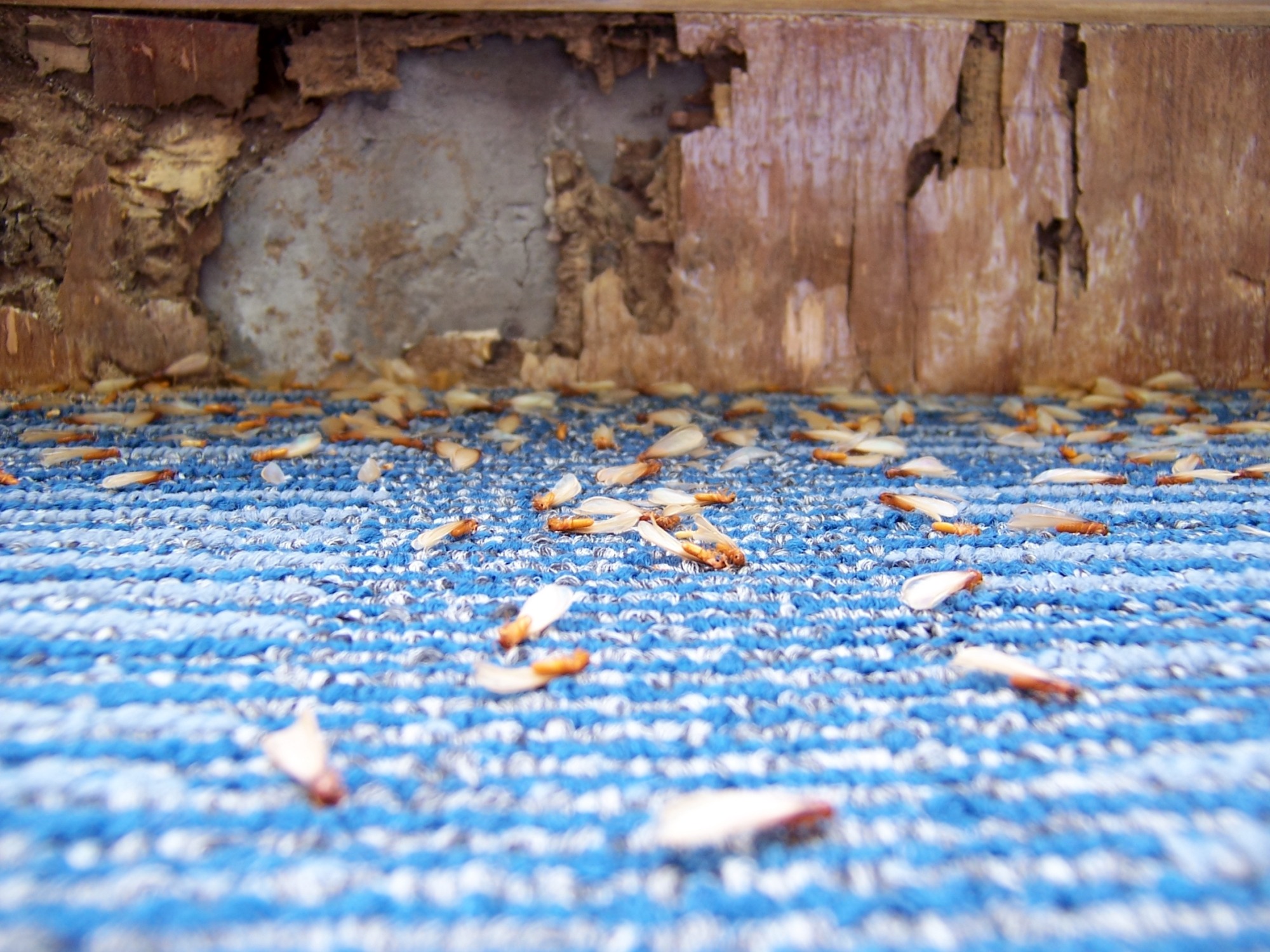
In spring, colonies become highly active. Winged reproductive ants swarm, establishing satellite colonies near the main nest. Outdoors, ant populations grow rapidly in:
-
Mulch beds where decaying plant matter provides shelter
-
Wood piles which retain moisture and can attract carpenter ants
-
Gutters filled with leaves and debris that create concealed habitats
-
Areas with standing water, such as birdbaths or poorly draining soil
From these outdoor trouble spots, ants are quick to find their way inside through cracks in foundations, gaps around doors and windows, or utility entry points. Local pest professionals often trace interior infestations back to these exterior sources.
Why Professional Baiting Works Better than Store-Bought Sprays
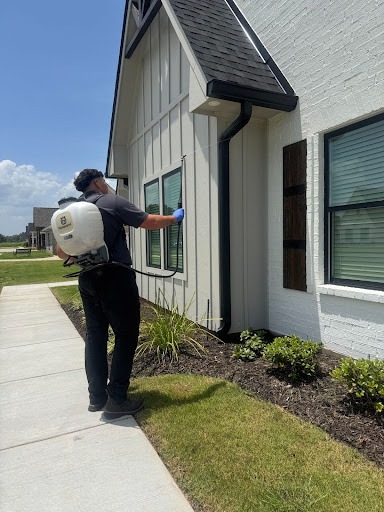
Many homeowners reach for sprays promising instant relief, but these often only eliminate the visible ants. Sprays do not address the source, a large colony with thousands of members living outside the structure. Professional pest control services use targeted baiting methods that:
-
Attract foraging ants to bring the bait back to the nest
-
Effectively eliminate the entire colony, including the queen
-
Are strategically applied by trained technicians in high-traffic ant areas
For ongoing prevention, general pest control services include regular inspections of both inside and outside the home. This ensures emerging ant problems are controlled swiftly.
Outdoor Trouble Spots: Prevention Tips and Solutions
Since most infestations begin outdoors, focus on these preventative steps:
-
Maintain mulch and landscaping at least 12 inches from the foundation
-
Store firewood well away from the house and keep it elevated
-
Clean gutters regularly and repair leaks
-
Remove debris where water collects and fix standing water issues
-
Seal gaps, cracks, and entry points on exterior walls
Combining these home maintenance tips with professional help, such as annual rodent control in Shreveport, LA provides comprehensive protection against numerous pests, not just ants.
When to Call in the Pros for Persistent Ant Issues
While DIY solutions may offer temporary relief, recurring ant invasions signal an entrenched colony and require a long-term, effective approach. Technicians can identify the ant species, locate hidden nests, and implement customized strategies for maximum results. Services like flea & tick control in Shreveport, LA can further decrease pest pressure around the home, making it more difficult for ants and other pests to thrive as the season progresses.
Request Professional Ant Control in Shreveport, LA Today
If you are noticing ant activity in your kitchen or bathroom this spring, or discovering trails leading from outdoor mulch beds and wood piles into your home, it is time to act. Redd Pest Control of Shreveport, Inc offers proven pest management solutions tailored to local homes and springtime conditions across Shreveport, LA. To schedule service, call (318) 687-7252 today or fill out the contact form on our website for a prompt response.
Redd Pest Control