What Makes Your Yard a Tick Magnet
As the weather warms up in northwest Louisiana, ticks become an ever-present concern for homeowners looking to enjoy their outdoor spaces. From quiet afternoons in the backyard to lively family barbecues, outdoor activities in this region often coincide with the prime activity period for ticks, especially from spring through late fall. Understanding what attracts ticks to your yard and how to reduce their numbers is crucial for protecting your family, pets, and guests from tick-related illnesses such as Lyme disease and Rocky Mountain spotted fever, both of which have been reported in Louisiana.
Shaded Areas: Ideal Tick Havens
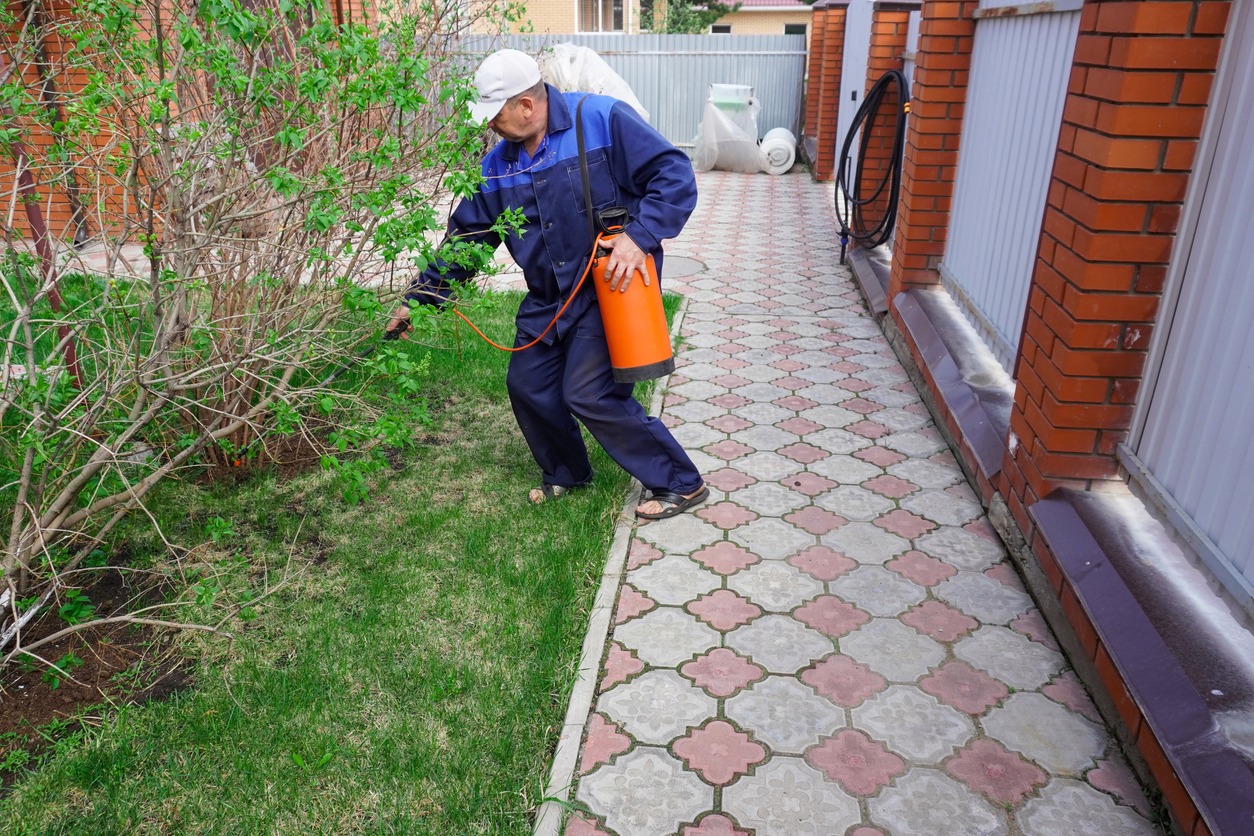
Ticks require a moist, humid environment to survive, making shaded areas of your yard prime real estate for these pests. Dense shrubbery, tall hedges, and thick tree canopies create shaded pockets that retain moisture, especially after Louisiana's frequent rainfall. In neighborhoods throughout Shreveport, wooded lots or shaded gardens that are not routinely maintained often experience heightened tick populations. Keeping these areas well-trimmed and ensuring proper air circulation can significantly reduce moisture levels, discouraging ticks from settling in.
Tall Grass and Unmanaged Lawns
Overgrown grass and tall weeds provide ideal conditions for ticks to thrive. Ticks generally crawl up from the soil and rest on tall blades of grass, waiting for a host to brush by. If your yard is not regularly mowed, you are likely to find ticks at the edges of the property, around fences, or near outdoor storage structures. For best results, keep your lawn cut short and edge along sidewalks, fences, and play areas. This simple maintenance task is essential for tick control.
Leaf Litter: The Hidden Danger
Louisiana's abundance of hardwood trees means fallen leaves are a recurring issue in many yards. Piles of leaf litter retain moisture long after rains have passed, offering both shelter and a food source for ticks and their hosts, like rodents and birds. Regularly raking and removing leaf debris, especially in shaded or low-traffic areas of your lawn, helps eliminate these tick-friendly spots. In addition, compost or garden beds placed away from entertaining or play areas can keep tick activity further from your home.
Wildlife Paths and Pet Activity
Backyards that border wooded lots or creek beds are often intersected by animal trails. Local wildlife, such as raccoons, opossums, squirrels, and deer, can bring ticks onto your property and deposit them along the paths they travel. Pets like dogs and cats may also pick up ticks while roaming these high-traffic zones. To limit exposure, consider installing a physical barrier or fencing to restrict animal movement through your yard. Also, creating a gravel or wood chip buffer between wooded areas and grassy lawns may deter both wild and domestic animals from entering susceptible locations.
Landscaping and Professional Tick Control Tips
Strategic landscaping can play a significant role in reducing tick populations. Here are a few tips tailored for Shreveport-area homeowners:
-
Mow lawns frequently and dispose of clippings away from living areas.
-
Prune shrubs and tree branches to allow sunlight into shaded spots.
-
Remove stacks of wood, brush, and garden debris from around the home.
-
Install mulch or gravel strips between lawns and adjacent woods.
-
Keep playgrounds, patios, and outdoor seating away from dense vegetation.
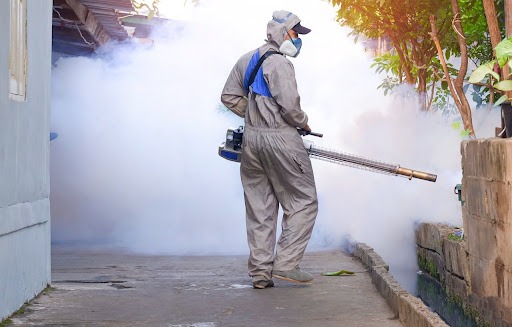
For persistent problems or large properties, professional help may be necessary. Flea & tick control in Shreveport, LA offers specialized treatments using EPA-approved products that target ticks at every stage of their lifecycle. This service can be combined with general pest control or mosquito control for comprehensive protection, especially in regions with high rainfall and dense foliage unique to northwestern Louisiana.
Schedule Reliable Tick Control in Shreveport, LA
If you are tired of battling ticks in your yard, it is time to contact Redd Pest Control of Shreveport, Inc for effective, local solutions. Serving Shreveport, LA and surrounding communities, our team tailors flea & tick control in Shreveport, LA treatments to address the specific risks in your landscape. Whether you live near Cross Lake, Broadmoor, or Southern Hills, we can help safeguard your loved ones. Call us at (318) 687-7252 or fill out our quick online form to request your free consultation today.
Redd Pest Control